
A thermostat is an essential device for maintaining comfort and energy efficiency in homes and buildings. But what is a thermostat,
and how does it work? This guide explains thermostat types, key features, and how to choose the best one for your HVAC system.
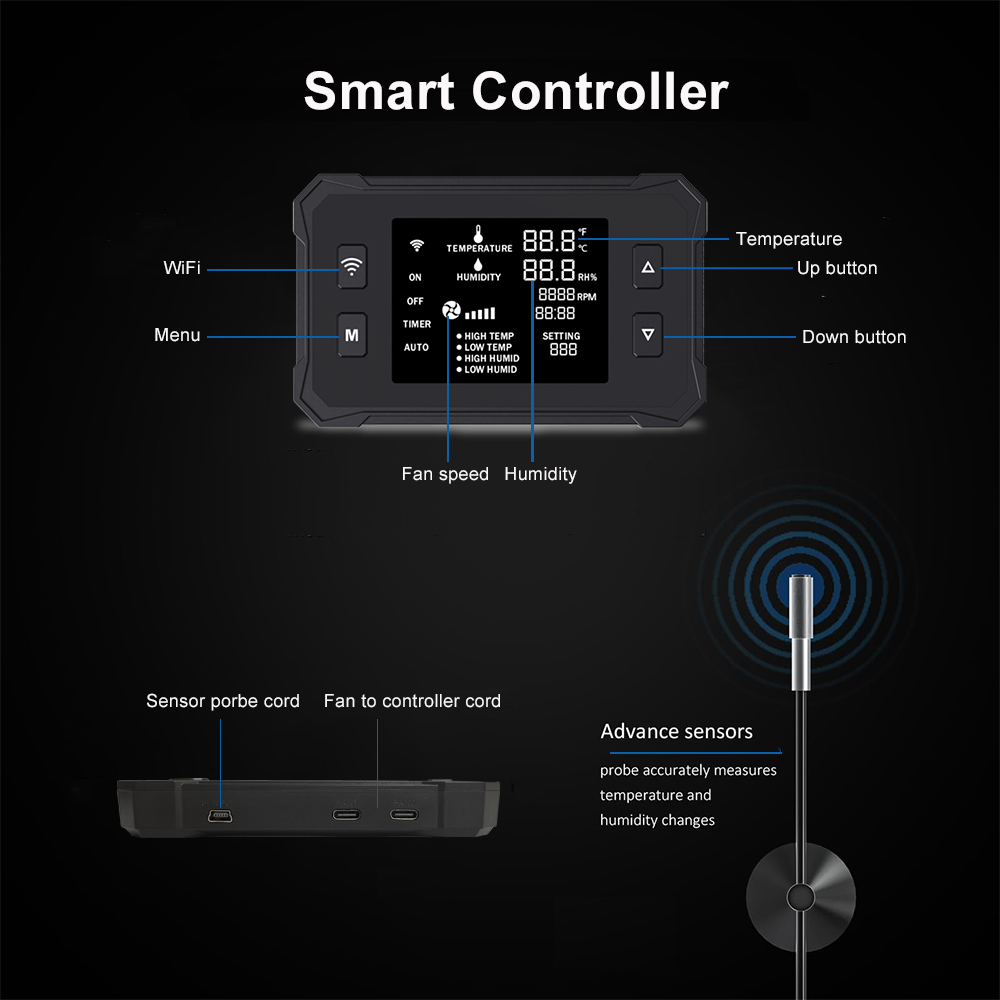
A thermostat is a temperature-sensitive switch that controls heating and cooling systems. It monitors indoor
temperatures and signals your HVAC system to turn on or off to maintain your desired comfort level.
✔ Energy Savings – Smart thermostats optimize HVAC usage, reducing bills.
✔ Comfort Control – Maintains consistent temperatures automatically.
✔ Remote Access – Wi-Fi models let you adjust settings from anywhere.
✔ System Protection – Prevents short-cycling and HVAC overuse.
Basic dial or button controls.
Requires manual temperature adjustments.
Low cost but less efficient.
Set schedules for different times (e.g., lower temps at night).
Reduces energy waste.
Best for consistent routines.
Learns habits and auto-adjusts.
Remote control via smartphone.
Energy usage reports (e.g., Nest, Ecobee).
Used for electric baseboard heaters.
Higher voltage compatibility.
Controls different home zones independently.
Maximizes efficiency in large homes.
✅ Compatibility – Check if it works with your HVAC (furnace, heat pump, etc.).
✅ Features Needed – Wi-Fi, geofencing, voice control (Alexa/Google Assistant).
✅ Energy Savings – Look for ENERGY STAR-certified models.
✅ Budget – Basic models ($20-$50), smart thermostats ($150-$300).
Turn off power before installation to avoid electrical hazards.
Follow wiring guides or hire an HVAC technician.
Calibrate periodically for accurate temperature readings.
Replace batteries (if applicable) to prevent malfunctions.
🔧 HVAC Not Turning On? → Check wiring, batteries, or circuit breaker.
🌡️ Incorrect Temperature Readings? → Clean dust, relocate away from heat sources.
📶 Wi-Fi Connection Issues? → Reset router or reconnect to the app.
Understanding what a thermostat is helps you choose the right one for better comfort and energy savings.
Whether you prefer a basic model or a smart learning thermostat, upgrading can improve your home’s efficiency.
Need Help? Consult an HVAC professional for thermostat installation and optimal performance.

Delivering the Best Ventilation Solutions
Customized OEM/ODM Design Services
24/7 Dedicated After-Sales Support




 Offlce Location
 Send Email:
